
Nobody expects a cockroach to bring down a government. That’s precisely the point. Across India’s college campuses and comment sections this month, young protesters have adopted the humble, unkillable insect as their unofficial mascot — a jab at power that survives no matter how hard you stomp on it. What began as a joke, as Al Jazeera reported, has hardened into a genuine irritant for Prime Minister Narendra Modi’s government: a protest movement that trades placards for punchlines and marches for memes.
The Cockroach Rebellion
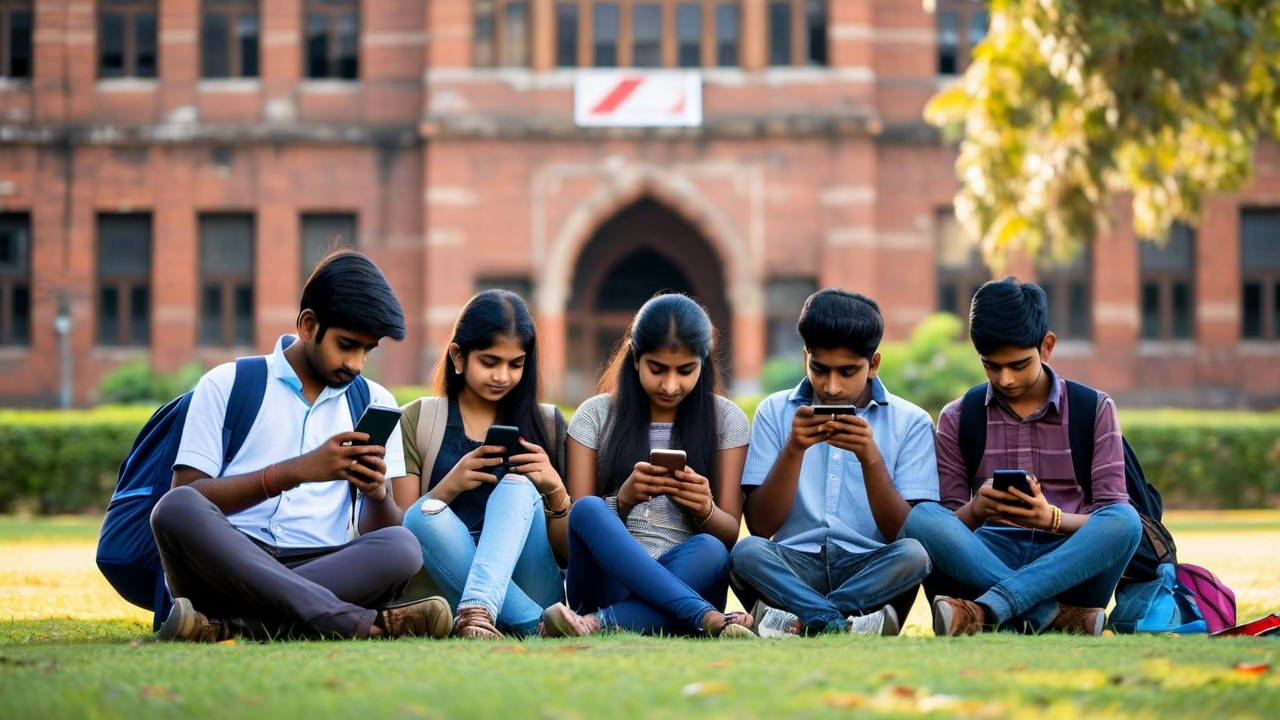
The nickname itself is the strategy. According to Al Jazeera and separate reporting carried by News4Jax and WSB Radio, young Indians frustrated with the ruling establishment have leaned into “cockroach” as a badge of defiance — small, resilient, impossible to fully eliminate. Instead of formal manifestos, the movement runs on sharp, irreverent humor: memes, viral clips, and inside jokes that spread faster than any press release. It’s protest built for the attention economy, designed to be screenshotted and reshared before anyone in power can craft a response.
That’s also what makes it hard to fight. You can arrest an organizer or ban a rally, but you can’t easily arrest a punchline that’s already been copied into ten thousand group chats. The humor does double duty — it vents real anger over jobs, education, and political accountability, while making the protest itself feel low-stakes enough for ordinary young people to join in without feeling like they’re storming the barricades.
A Minister’s Exit Becomes a Meme Storm
The movement found fresh fuel this week in the resignation of Dharmendra Pradhan, until recently a senior figure tied to India’s education portfolio. His departure, covered by Moneycontrol, triggered celebrations at Delhi’s Jantar Mantar, a historic protest site that has hosted decades of Indian political theater. Moneycontrol reported crowds treating the resignation less as a policy story and more as a moment of vindication — proof, in their eyes, that public pressure can still move the needle.
The internet, predictably, ran wild. The Deccan Chronicle reported a flood of memes around the resignation, while Livemint noted something almost poetically awkward: an old remark from Defence Minister Rajnath Singh — reportedly to the effect that ministers in the ruling National Democratic Alliance simply “don’t resign” — resurfaced online and went viral for all the wrong reasons. In a movement built on irony, the timing wrote its own punchline. A years-old boast about political invincibility, recirculated the very week a minister walked out the door, became exactly the kind of gift the meme-makers live for.
When the Joke Gets You Booked
But humor as protest cuts both ways, and India’s establishment has shown it can play defense. In Madhya Pradesh, a social media influencer was booked by police over what was described as an abusive reel targeting Pradhan, according to reporting from the Free Press Journal, the Tribune, and the Daily Pioneer. The details of the case, as covered across those outlets, mark a sharper edge to this cultural moment: the same platforms that let ordinary citizens skewer power with a thirty-second video can also expose them to legal consequences when authorities decide a joke has crossed a line.
That tension — humor as a shield versus humor as a liability — is the real story underneath the laughing emojis. Memes are cheap to make and easy to disown; a formal case is neither. The booking suggests officials are increasingly willing to treat viral mockery not as background noise but as something worth a police file, which in turn raises the temperature for anyone tempted to join the joke.
Old Stage, New Generation
Zoom out from Delhi and Madhya Pradesh, and there’s a broader generational story unfolding. The Times of India, reporting from Mumbai’s Shivaji Park — a ground long synonymous with fiery political rallies of eras past — described a new wave of protesters converging on that same historic turf. It’s a striking image: a space built for the oratory of an earlier generation now hosting a crowd raised on smartphones, more fluent in irony than in speeches, using an old political stage for a distinctly modern kind of dissent.
That collision of old venue and new tactics says a lot about where Indian protest culture is heading. The theatrical rally isn’t dead, but it’s being remixed — physical gatherings amplified by, and sometimes overshadowed by, whatever’s trending online that hour. Shivaji Park’s history gives the moment gravity; the memes give it reach.
What Comes Next
None of this guarantees lasting political change. Memes are combustible but often short-lived, and a viral joke about a minister’s resignation doesn’t automatically translate into votes, policy shifts, or sustained organizing. But dismissing the cockroach movement as mere internet noise would be a mistake. It has already proven it can shape a news cycle, embarrass officials with their own words, and pull a government minister’s exit into a cultural moment bigger than the resignation letter itself.
The bigger test is whether authorities respond with more bookings and crackdowns, or with the kind of political adjustments that actually address why so many young Indians feel disillusioned enough to mock their leaders in the first place. History suggests attempts to legislate away a joke rarely work — cockroaches, after all, are famously hard to stamp out. What’s less clear is whether this generation’s humor-fueled dissent has the staying power to outlast the news cycle, or whether it will fade the moment the next meme trend takes its place.
Sources
- India Cockroach protests take on Modi with unlikely weapons : Sharp , irreverent humor and memes — news4jax.com
- India Cockroach protesters use memes and humor to challenge Modi — wsbradio.com
- NDA ministers dont resign : Rajnath Singh old remark goes viral after Dharmendra Pradhan exit — livemint.com
- Dharmendra Pradhan Resignation Memes Galore — deccanchronicle.com
- MP Social Media Influencer Booked Over Abusive Reel Against Former Education Minister Dharmendra Pradhan — freepressjournal.in
- MP social media influencer booked over abusive reel against ex – Education Minister Pradhan — tribuneindia.com
- India youth protesters are fighting Modi with irreverent humour and memes | Social Media News — aljazeera.com
- MP social media influencer booked over abusive reel against ex – minister Pradhan — dailypioneer.com
- Dharmendra Pradhan resignation sparks celebration at Jantar Mantar — moneycontrol.com
- In Shivaji Park , a new generation of protesters meets an old political stage — timesofindia.indiatimes.com







Leave a Reply