
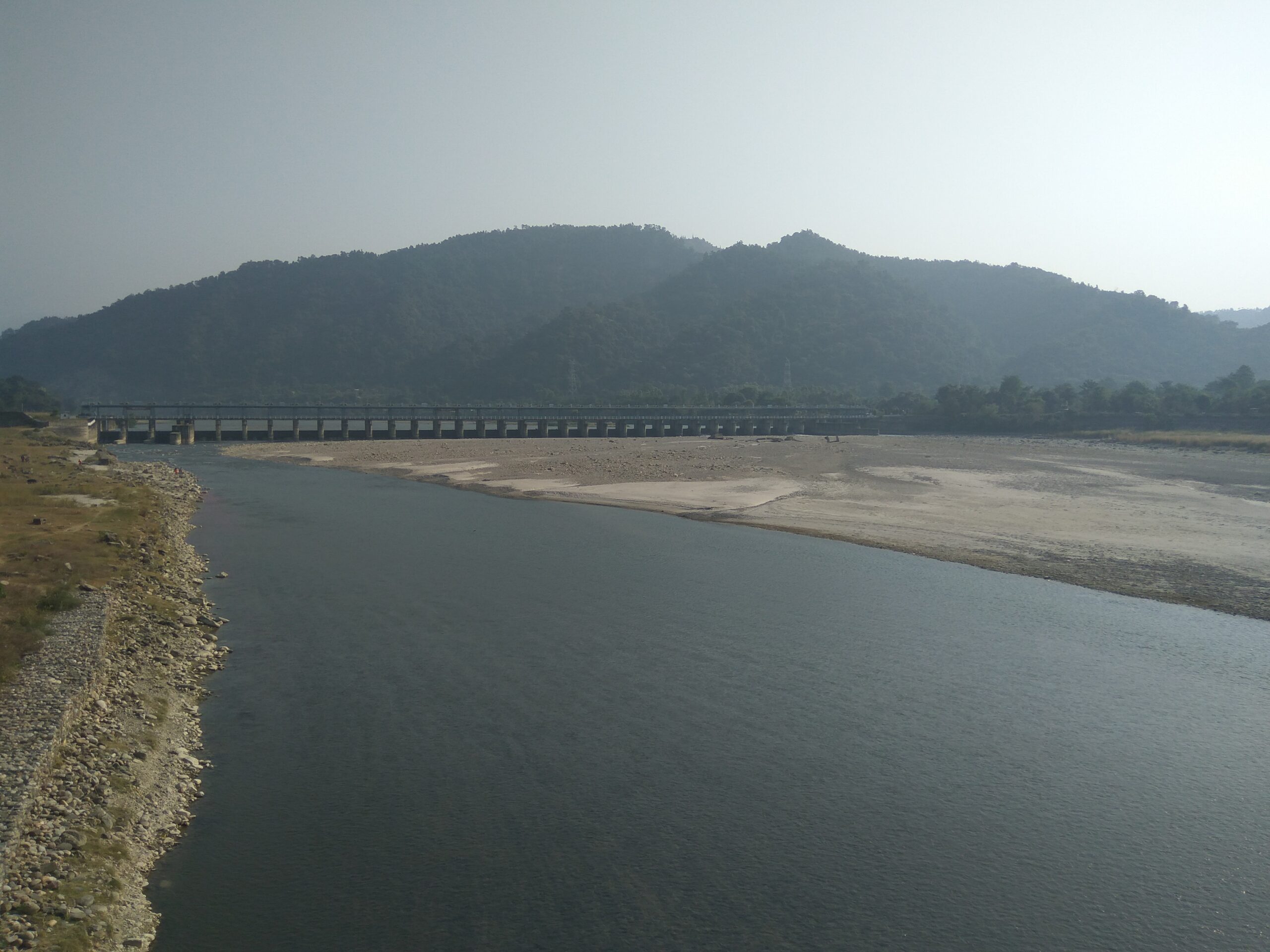
A river doesn’t care about state borders, but the people who live along it do. That’s the story playing out again this week after authorities ordered Karnataka to release 12,000 cusecs of water daily to Tamil Nadu, according to rediff.com — the latest flashpoint in a dispute over the Cauvery river that has outlasted governments, survived a Supreme Court verdict, and shows no sign of actually being settled.
The Order That Reopened an Old Wound
On paper, the directive reported by rediff.com is simple: a fixed volume of water, released daily, crossing from one state into another. In practice, it is never simple. Every order like this lands in the middle of competing claims — Karnataka’s farmers upstream worried about their own reservoirs running dry, and Tamil Nadu’s farmers downstream waiting on water that determines whether their crops survive the season. The number itself, 12,000 cusecs, sounds technical and bloodless. On the ground, it is the difference between a harvest and a failed one.
A Century of Sharing a Single River
The Cauvery dispute is one of India’s oldest and most stubborn water conflicts, rooted in agreements that predate independence. Karnataka and Tamil Nadu have spent decades — and multiple generations of politicians — arguing over how much water each state is entitled to draw from the same river system, particularly during years when the monsoon underdelivers. The fight eventually made its way to a dedicated tribunal and then to the Supreme Court, which in 2018 tried to settle the matter by laying out a formula for sharing the river’s flow and establishing a Cauvery Water Management Authority to oversee it. That ruling was supposed to be the final word. It wasn’t.
What the 2018 verdict actually did was create a mechanism for managing disagreement rather than eliminating it. The Authority monitors rainfall, reservoir levels, and agricultural needs, then issues release orders like the one covered by rediff.com. But a formula on paper still has to survive contact with real rainfall, real reservoirs, and real political pressure — and that’s where the trouble starts every single time.
Farmers, Politics, and the Cost of Every Cusec
Water disputes in India are never just about water. They are about livelihoods, and livelihoods are about votes. Karnataka’s political establishment has to answer to farmers in the Cauvery basin who fear that releasing water downstream leaves too little for their own irrigation and drinking supply, especially in a weak monsoon year. Tamil Nadu’s government, meanwhile, faces its own farmers who have historically depended on the river’s flow for the crucial samba crop season, and any delay or shortfall in released water becomes an immediate political liability.
This is the structural bind of the dispute: whichever state’s government appears to “give away” water looks weak at home, and whichever state doesn’t receive it feels betrayed. Every order to release a specific volume of water, no matter how technically justified, gets read locally through a political lens long before anyone checks the rainfall data. That’s why an order like the one rediff.com reported rarely stays a purely administrative matter — it becomes a talking point, a grievance, sometimes even a rallying cry, within days.
Why the Authority Keeps Getting Tested
The Cauvery Water Management Authority exists precisely because ad hoc politics kept failing to produce a durable solution. Yet its authority is tested almost every time it issues an order that one side finds inconvenient. Compliance has historically been uneven, delayed, or contested, with states raising objections about ground realities — reservoir storage, unexpected rainfall shortfalls, drinking water priorities — that they argue weren’t fully accounted for in the release schedule. The Authority’s job is essentially to referee a fight where both sides genuinely believe they can’t afford to lose, which makes its rulings powerful on paper and fragile in execution.
This is a familiar pattern across India’s interstate river disputes — the Krishna, the Godavari, the Ravi-Beas — where tribunals and authorities are set up to depoliticize water sharing, only to find that water sharing in a country with hundreds of millions of farmers is never fully separable from politics. The Cauvery case is simply the most closely watched example because of how long it has run and how directly it touches two large, politically assertive states.
What Comes Next
Expect this latest order to follow a well-worn script. Karnataka will assess its own reservoir position and decide how, and how fully, to comply. Tamil Nadu will watch the actual flow crossing the border and compare it against what was ordered. If there’s a shortfall, expect statements from state leaders, possibly a fresh approach to the Authority or the courts, and renewed public debate in both states about whether the sharing formula is fair. If Karnataka complies smoothly, it will barely make headlines outside the basin — because in this dispute, no news is genuinely good news.
The deeper question the Cauvery keeps raising is whether India’s institutional machinery for interstate water sharing — tribunals, court verdicts, management authorities — can actually keep pace with a resource that fluctuates with the monsoon year to year, in a system where every drop is politically weighted. The 2018 Supreme Court verdict was meant to close this chapter. Instead, it opened a new phase where the fight moved from “how do we divide the water” to “who follows the order and when.” That fight, as this week’s directive shows, is far from over. And as long as two states depend on one river whose flow neither of them controls, orders like this one will keep arriving — and keep being contested — season after season.










Leave a Reply