
Somewhere in Lagos this week, a family is doing what their parents and grandparents did before them: pooling savings, filling out visa paperwork, and preparing to send a child overseas for an education. It feels like tradition. It is also, increasingly, big business. Behind every suitcase packed for a foreign campus sits a fast-growing industry of developers, investors and university administrators racing to keep up with a generation determined to study somewhere else — and discovering that the hardest part isn’t getting in. It’s finding a place to sleep.
A Family Ritual Meets a Global Market
The Daily Post in Nigeria recently told the story of a family for whom studying abroad has become a multigenerational rite of passage, a tradition passed down almost like an heirloom. It’s a familiar shape in households across Nigeria, India, the Gulf and Southeast Asia: parents who studied overseas encouraging — sometimes expecting — their children to do the same, treating a foreign degree as both an educational upgrade and a kind of family status symbol.
What used to be a decision made one household at a time has, over the past decade, become a demographic wave. Millions of students now leave home each year chasing degrees in the US, UK, Australia and Canada, and increasingly within their own regions as well. That wave has quietly created a downstream problem that has nothing to do with lecture halls or admissions letters: where do all these students actually live?
The Housing Squeeze Nobody Planned For
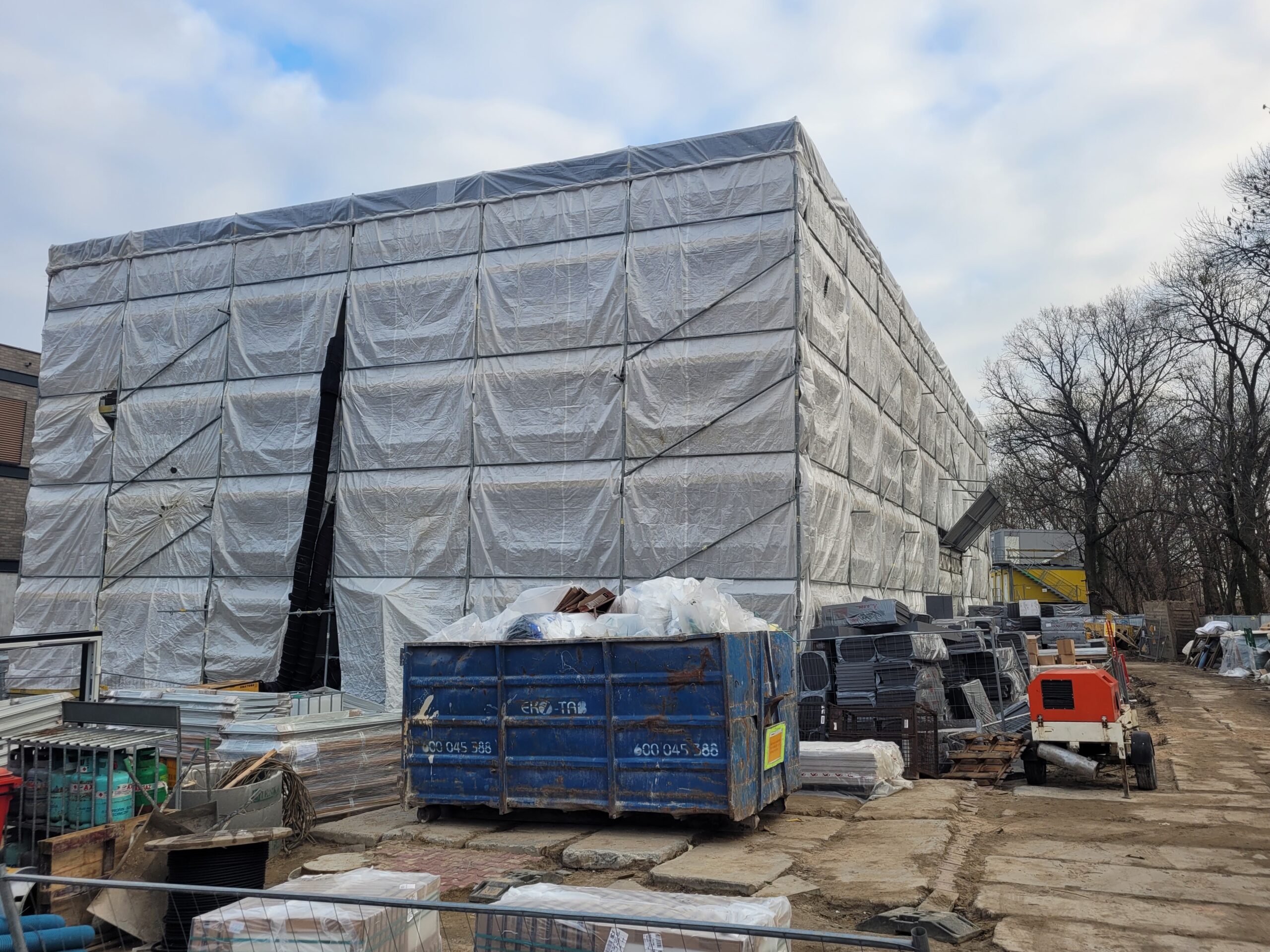
That question is at the center of a report highlighted by newkerala.com on student housing growth across the Asia-Pacific region, describing what it called a housing boom tied directly to the rising number of students moving to study — both across borders and within fast-urbanizing countries like India. The report points to a sector that has ballooned largely under the radar: purpose-built student accommodation, once a niche real estate category, is now attracting serious investment as universities and cities struggle to absorb growing numbers of arriving students.
It’s easy to see why. Universities can expand lecture capacity relatively quickly by adding sections or hiring adjuncts. Building housing takes years, capital and land — three things most fast-growing university towns don’t have in abundance. So when enrollment climbs faster than construction, students end up competing for a shrinking pool of decent, affordable rooms, often paying inflated rents to landlords who know a captive market when they see one.
India is a particularly telling case, according to the coverage in newkerala.com, because the country sits at the intersection of two trends at once: a huge domestic student population migrating to cities for higher education, and a rising number of Indian families sending children abroad — the very tradition described in the Daily Post piece. Both pressures point the same direction: demand for beds is outpacing supply, and investors have noticed.
Universities Are Doubling Down, Not Pulling Back
If the housing math sounds like a reason for colleges to slow international recruitment, that’s not what’s happening. The University of Arkansas’ College of Education and Health Professions, according to news.uark.edu, has been expanding its study abroad offerings, sending students on trips around the world as part of its academic programs. Rather than treating global mobility as a logistical headache, universities are leaning into it — because international students and study abroad programs remain a powerful draw for prospective applicants, a revenue stream, and, frankly, a selling point in a competitive higher-education market.
That creates a structural tension worth sitting with. Universities have every incentive to keep growing their global footprint — more exchange partnerships, more recruitment abroad, more students moving between countries. But the institutions actually responsible for building housing, transit and city infrastructure often move at a completely different pace, constrained by zoning laws, financing cycles and local politics. The result is a mismatch that shows up not in university marketing materials, but in overcrowded apartments, students sleeping in hostels meant for tourists, and rents that eat further into family budgets that were already stretched thin to afford the tuition in the first place.
Who Wins, and Who Gets Priced Out
There’s real money to be made in solving this problem, which is precisely why the sector newkerala.com describes is drawing investment interest. Purpose-built student housing offers steady, recession-resistant demand — students need somewhere to live regardless of what the broader economy is doing — making it an attractive asset class for developers and institutional investors alike. For cities and universities, more organized housing stock can also mean better safety standards and less exploitation of vulnerable young tenants far from home.
But there’s an uncomfortable flip side. As formal student housing becomes a polished investment product, it tends to get priced for the students who can afford it, not necessarily the ones who need it. Families like the one profiled by the Daily Post — for whom sending a child abroad already represents a significant financial stretch, generation after generation — are exactly the households most exposed if housing costs climb faster than everything else. A tradition built on aspiration and sacrifice starts to look very different if the “study abroad” line item quietly becomes as expensive as tuition itself.
What to Watch Next
None of this is likely to slow the underlying trend. Families will keep treating an overseas or out-of-state education as a milestone worth stretching for, and universities like Arkansas’ will keep expanding programs that send students traveling. The open question is whether housing supply — and the policies that shape it — can catch up with demand before it becomes the deciding factor in who gets to study away from home at all.
Watch for two things in the months ahead: how quickly investors move into the student housing sector that newkerala.com’s reporting flagged as booming across the Asia-Pacific, and whether universities start treating housing capacity as seriously as they treat admissions numbers. Because right now, the story of studying abroad isn’t only about scholarships and entrance exams. It’s increasingly about square footage — and who can afford it.











Leave a Reply