
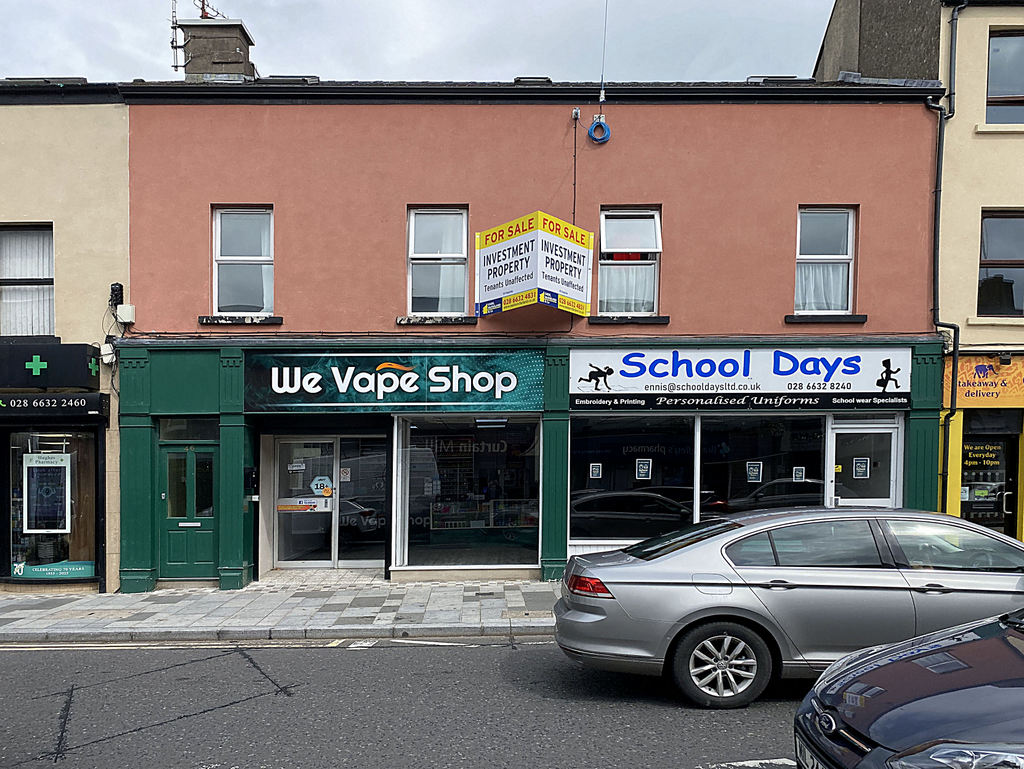
A decade ago, the biggest worry about vaping in schools was nicotine — kids sneaking hits of fruity-flavored e-liquid between classes. That worry now looks almost quaint. The Mirror reported that children as young as 11 are turning up in classrooms having used vapes laced with spice, the synthetic cannabinoid once notorious for turning city-center streets into scenes of collapsed, zombie-like users. Schools are now demanding action, and the story reads less like a moral panic and more like a warning flare.
From Nicotine Buzz to Chemical Roulette
What makes this shift so alarming isn’t just the age of the users — it’s the unpredictability of the product. A standard nicotine vape delivers a known, regulated dose. Spice, by contrast, is a blanket term for a shifting cocktail of synthetic cannabinoids, chemicals cooked up in unregulated labs and sprayed onto plant material or, increasingly, dripped into vape liquid. According to the Mirror’s reporting, the concern among schools is precisely that: children who think they’re getting a flavored nicotine hit may have no idea they’re inhaling a substance with wildly inconsistent potency and effects ranging from sedation to seizures.
That’s the core danger public health officials have flagged for years with spice — you never really know what you’re getting. Two vapes from the same batch can hit completely differently. For an adult, that’s risky. For an 11-year-old still years from being able to legally buy a vape at all, it’s a different order of danger entirely.
Why Schools Are Sounding the Alarm
The demand for action described by the Mirror isn’t coming from a single anxious headteacher — it reflects a broader unease rippling through the education sector about how fast vaping culture has mutated. Disposable vapes were already a headache for schools before this: confiscations, hallway bathroom lockdowns, students vaping between lessons. But nicotine addiction, while serious, is a known quantity that schools have policies and, often, cessation support for. Spice-laced products blow that playbook up. Staff aren’t trained to spot the specific behavioral signs of synthetic cannabinoid intoxication in children, and the substance’s effects — disorientation, sudden collapse, aggression — can be mistaken for medical emergencies or mental health crises rather than drug use.
There’s also the enforcement problem. Vapes are small, easily shared, and hard to test on the spot. A teacher who suspects a nicotine vape can at least recognize the smell or the device. A spice-laced vape looks identical to any other disposable pen. That makes it far easier for a genuinely dangerous product to circulate under the radar of both teachers and, often, parents.
An Underground Market Built for Kids
This isn’t happening in a vacuum. Youth vaping has exploded over the past several years despite age restrictions, driven by cheap disposable devices, bright packaging, and flavors that read more like a candy aisle than a smoking-cessation product. That existing infrastructure — informal playground trading, online resale, corner-shop leniency — is exactly the kind of distribution network that a more dangerous product can quietly piggyback on. Once a supply chain for getting vapes into schoolyards already exists, swapping in a spiked product doesn’t require building anything new. It just requires someone willing to cut corners for profit, and the people most exposed to the consequences are the ones with the least power to protect themselves: children.
It also mirrors a pattern seen with adult drug markets, where synthetic cannabinoids have been used to cut costs or mimic the effects of cannabis at a fraction of the price, with users often unaware of what’s actually in the product. When that logic filters down into a youth vaping market that’s already largely unregulated and driven by social pressure and peer trading, the risk compounds fast.
The Policy Vacuum Underneath It All
What the Mirror’s reporting really exposes is a gap between how fast the threat is evolving and how slowly institutions can respond. Schools can tighten confiscation policies and run assemblies on the dangers of vaping, but they have no control over what’s actually inside a device a student buys outside the school gates. That’s a job for regulators and law enforcement — tracking supply chains, cracking down on the sale of adulterated products, and treating this as the public health emergency it resembles rather than a routine disciplinary issue.
The trouble is that drug policy tends to move at a bureaucratic pace, while black-market product formulations shift practically overnight. Spice itself is a case study in this lag: it was engineered in the first place, in part, to skirt existing drug laws by using chemical structures not yet explicitly banned. Every time authorities catch up and outlaw one formulation, new variants appear. Folding that same cat-and-mouse dynamic into the vaping supply chain, one that already reaches deep into schools, creates a genuinely difficult enforcement puzzle — one that likely requires cooperation between health regulators, police, and manufacturers, not just a single school policy tweak.
What Comes Next
Expect this story to escalate rather than fade. Once one outlet reports that schools are formally demanding action, pressure tends to build quickly — parents start asking questions, local officials start requesting briefings, and reporters start digging for how widespread the problem actually is beyond the initial cases. The real test will be whether that pressure translates into something concrete: clearer testing protocols for schools, tighter controls on vape retail and resale, and public information campaigns aimed squarely at kids who may not understand that the vape they borrowed from a classmate isn’t necessarily just nicotine.
There’s also a harder cultural question lurking underneath the policy one. Vaping normalized the idea, for an entire generation of children, that inhaling something unknown from a small colorful device is a low-stakes social activity. Spice-laced products are a brutal reminder that it never really was. The challenge now isn’t just catching up with a specific dangerous batch — it’s rebuilding the assumption, from the ground up, that what’s inside a vape is never guaranteed to be safe, no matter how normal it’s come to feel in the school corridor.









Leave a Reply