
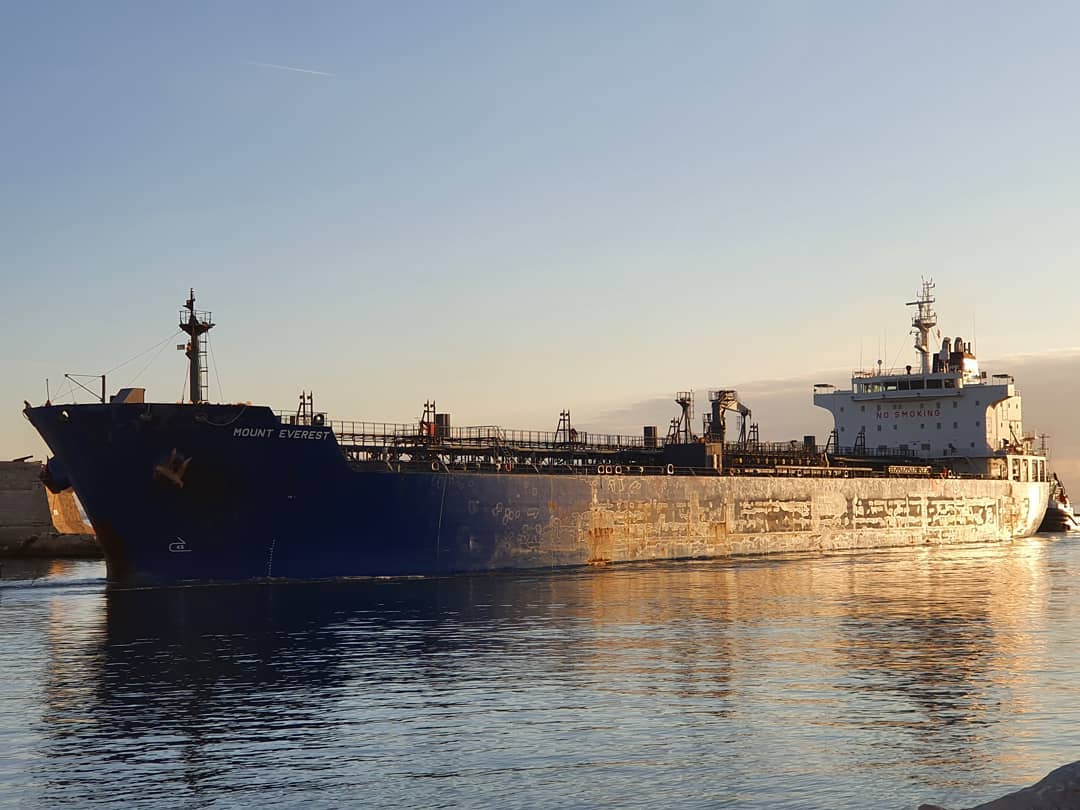
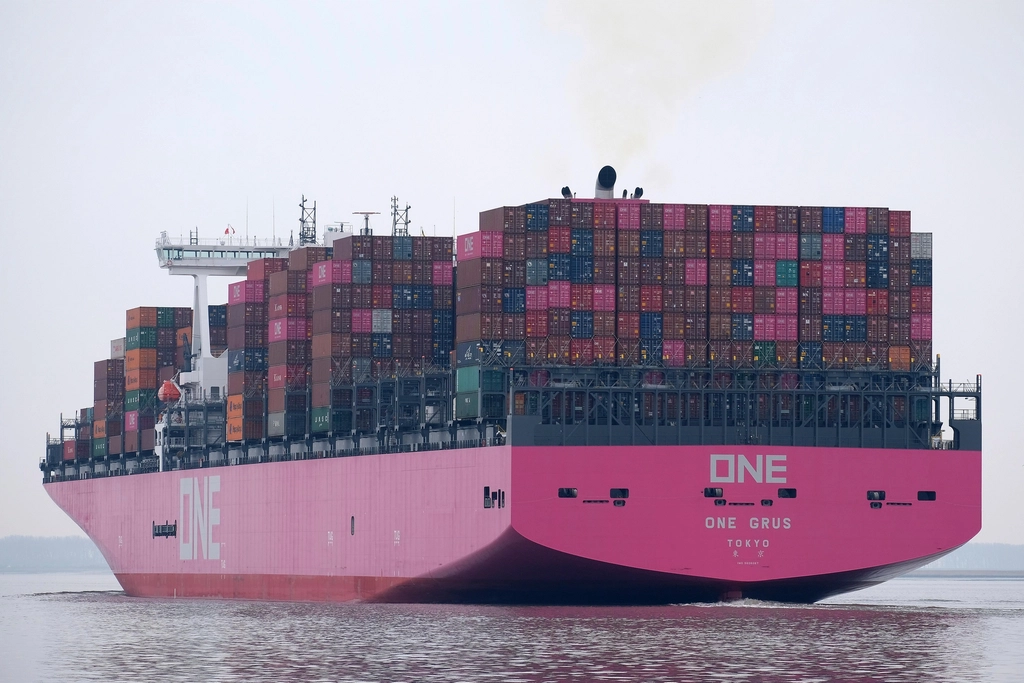
Picture a supertanker the length of four football fields, loaded with Saudi crude bound for refineries in China and India, suddenly reversing course in open water. That is exactly what happened this week, according to Livemint, after tanker operators got word of a Houthi threat in the Red Sea. It’s a small, telling image of a much bigger story: the world’s energy arteries are twitching every time Washington and Tehran rattle their sabers, and right now, they’re rattling hard.
For weeks, the United States and Iran have been locked in a tense standoff that has moved from rhetoric to real military posturing, particularly around the Strait of Hormuz — the narrow chokepoint through which a huge share of the planet’s oil and gas physically has to pass. AsiaOne reported that both sides are digging in, and that even intensifying airstrikes have not been enough to force either government to blink. That’s the uncomfortable truth underneath all the diplomatic language: hard power has limits, and everyone involved seems to be discovering that in real time.
Why the Strait of Hormuz Is the Story’s Pressure Point
The Strait of Hormuz isn’t just a shipping lane — it’s arguably the single most sensitive piece of geography in the global economy. A meaningful disruption there doesn’t stay a regional headache; it becomes everyone’s problem, from a factory floor in Ohio to a rice farmer’s fuel bill in Vietnam. That’s why AsiaOne’s framing matters so much: when a conflict starts to center on Hormuz specifically, it stops being purely a bilateral US-Iran dispute and becomes a test of whether the global energy system can absorb a shock without cracking.
The tension isn’t confined to that one strait, either. Livemint’s report on Saudi tankers rerouting away from the Red Sea after a Houthi threat shows how quickly instability spreads across a whole network of maritime chokepoints. Shipowners and insurers don’t wait for a crisis to fully materialize — they route around risk the moment it appears on the horizon, and that alone has ripple effects on delivery times, insurance premiums, and ultimately prices.
Enter the Mediators
Against that backdrop, a quieter but equally consequential storyline is unfolding: can anyone actually talk the US and Iran down from the edge? Al Jazeera posed exactly that question in a piece asking whether mediators can broker a truce, a report significant enough that it was picked up and republished by outlets as far afield as the Dominican Republic Post. That kind of syndication tells you something — this isn’t a niche regional worry, it’s being read as a story with global stakes.
Mediation in a conflict this charged is rarely glamorous. It tends to look like quiet phone calls, shuttle diplomacy through third countries, and carefully worded statements designed to give both sides an off-ramp without either having to admit it wanted one. Historically, the actors who’ve played this role in Gulf tensions have included Gulf Arab states, European diplomats, and occasionally Asian powers with commercial interests in keeping oil flowing. Al Jazeera’s framing of the question — can mediators broker a truce — suggests the answer is genuinely uncertain, not a foregone conclusion in either direction.
Markets Are Already Voting With Their Feet
You don’t need a diplomat’s briefing to know how seriously investors are taking this. Africa.com reported that oil prices slid as Tehran and Washington appeared to edge toward the negotiating table, a move being watched closely by African oil producers whose national budgets can swing wildly with crude prices. That’s the paradox of these situations: the mere possibility of de-escalation can move markets almost as much as an actual attack, because traders are pricing in probability, not certainty.
For oil-dependent economies across Africa and elsewhere, this is more than an abstract geopolitical drama — it’s a direct line to government revenue, currency stability, and the price of a liter of fuel at a local pump. When Africa.com frames the story as one that African producers are “watching closely,” it’s underlining a point that often gets lost in Washington-and-Tehran-centric coverage: the fallout from a Strait of Hormuz crisis, or its resolution, lands unevenly across the globe, and some of the countries least involved in the actual dispute stand to gain or lose the most.
A Broader Rethink of Middle East Security
There’s also a longer, slower-moving story happening in parallel to the day-to-day brinkmanship. Daily Pakistan published an analysis titled “From Missiles to Mediation,” arguing that the region’s security architecture itself needs rethinking — not just crisis management, but a structural shift in how Middle East stability gets built and maintained. That’s a notably different register from the tanker-and-airstrike headlines; it’s asking whether the current cycle of escalation and de-escalation is sustainable at all, or whether it just resets the clock until the next flashpoint.
American Thinker, for its part, published a piece framed around what it called “advanced Iran negotiation theory,” reflecting a strand of commentary in the US that is scrutinizing not just whether talks happen, but how they should be structured to actually hold. Taken together, these pieces suggest a growing appetite — across very different outlets and audiences — for moving past reactive crisis coverage toward asking harder questions about what durable de-escalation would even require.
What to Watch Next
None of this guarantees peace, and nothing here should be read as a prediction that a truce is imminent. AsiaOne’s reporting on both sides “digging in” is a sobering counterweight to any optimism generated by talk of mediation or sliding oil prices. The most likely near-term path, based on the reporting so far, is a continuation of the current pattern: military posturing around Hormuz, periodic maritime scares like the Red Sea tanker U-turns Livemint documented, and intermittent diplomatic signals that markets will seize on and then second-guess.
What would actually change the trajectory is some concrete, verifiable step — a real meeting, a documented pullback of forces, or a specific mediator publicly confirmed to be shuttling proposals between Washington and Tehran. Until reporting establishes that kind of hard detail, the safest read is that we’re watching a high-stakes waiting game, one where oil traders, shipping insurers, and everyday consumers everywhere are all quietly along for the ride.
Sources
- Can mediators broker a truce between the US and Iran ? — aljazeera.com
- From Missiles to Mediation : Rethinking Middle East Security — en.dailypakistan.com.pk
- US and Iran dig in over the Strait of Hormuz , showing the limits of intensifying airstrikes — asiaone.com
- Oil Slides as Tehran and Washington Edge Toward the Table And Africa Producers Are Watching Closely — africa.com
- Can mediators broker a truce between the US and Iran ? – Dominican Republic Post – Caribbean News , Business , Travel & Culture — dominicanrepublicpost.com
- Advanced Iran Negotiation Theory — americanthinker.com
- World News Today Live Updates on July 22 , 2026 : Saudi oil tankers bound for China and India make U – turn after Houthi threat in Red Sea — livemint.com





Leave a Reply