

A U.S. helicopter firing missiles at a Panama-flagged ship trying to slip past a blockade sounds like something out of a Cold War thriller. But according to Livemint’s rolling coverage of world events, it happened this week — one more data point in a U.S.-Iran confrontation that keeps escalating in ways ordinary Americans are only starting to notice, from the price of shipping to the shape of Tehran’s own government.
None of this is happening in a vacuum. Washington is simultaneously loosening domestic shipping rules to keep supply lines moving, watching Iran elevate a hardliner wanted by international police to run its national security apparatus, and sending mixed signals about whether a deal is close or a mirage. Add a Pentagon quietly worried about running out of ammunition, and you have a conflict that is no longer confined to naval skirmishes in the Gulf — it is reshaping policy and politics well beyond the Middle East.
A Ship, a Blockade, and a Warning Shot Heard Round the World
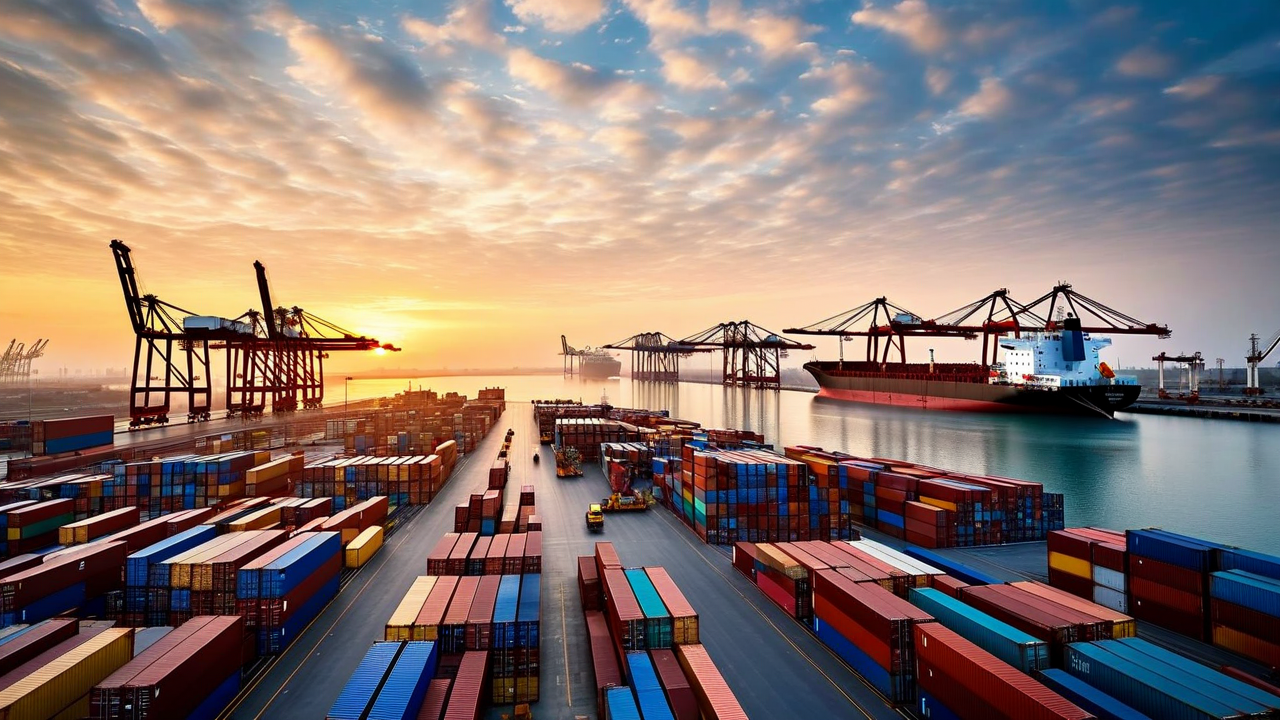
The strike on the Panama-flagged vessel, reported by Livemint in its August 12 live updates, is a stark illustration of how physical the standoff has become. Blockades are not abstractions — they mean warships and helicopters intercepting real cargo, real crews, and real cargo manifests, with the U.S. willing to use force to enforce them. Details on the ship’s cargo and the exact circumstances of the strike remain limited in early reporting, but the symbolism is hard to miss: this is a blockade being actively tested, and actively defended, in real time.
That kind of confrontation doesn’t stay contained. It ripples through global shipping insurance, rattles energy markets that already price in Gulf risk, and forces allied and neutral shipping nations to make uncomfortable choices about which routes are safe.
Why Washington Is Quietly Rewriting Its Own Shipping Rules
Perhaps the least flashy but most telling move came domestically. Livemint reported that President Trump extended a waiver of the Jones Act for another 90 days amid the heightened war tensions. The Jones Act is a century-old law requiring goods shipped between U.S. ports to travel on U.S.-built, U.S.-flagged, U.S.-crewed vessels — a protectionist measure meant to preserve American shipbuilding and maritime jobs. Waiving it, even temporarily, lets foreign-flagged ships fill in gaps in domestic supply chains, something the government typically reserves for emergencies like hurricanes or fuel shortages.
Extending that waiver specifically because of Iran tensions is a quiet admission: officials are worried that a wider conflict could strain America’s own capacity to move fuel and goods around its own coastline. It’s the kind of bureaucratic move that rarely makes headlines on its own, but it signals how seriously Washington is treating the possibility that this crisis outlasts a news cycle.
Tehran Promotes a Hardliner — and Sends a Signal
On the Iranian side, the appointment adding fuel to the fire is Mohsen Rezaei’s elevation to head the Supreme National Security Council, according to a profile published by Gulf News. Rezaei is not a neutral technocrat. Gulf News described him as a hardliner wanted by Interpol who has previously threatened to capture as many as 1,000 U.S. hostages. Putting him atop the body that oversees Iran’s most sensitive security and defense decisions is not a subtle signal — it suggests Tehran’s power center is tilting toward confrontation rather than compromise, at precisely the moment outside observers are looking for signs of de-escalation.
Appointments like this matter because they shape who is actually in the room when decisions get made about missile strikes, negotiations, or retaliation. A security chief with Rezaei’s track record raises the stakes for any diplomatic channel trying to find an off-ramp.
Trump Says There’s a Deal Strategy. Pompeo Isn’t So Sure.
Diplomatically, the signals are just as muddled. Perth Now reported that President Trump revealed what he described as a deal strategy for resolving the standoff with Iran, even as former Secretary of State Mike Pompeo publicly cast doubt on whether any real progress toward a peace agreement is being made. That gap between a sitting president projecting confidence and a former top diplomat expressing skepticism is itself a story — it suggests uncertainty extends even into Republican foreign-policy circles, not just between Washington and Tehran.
For a public trying to gauge whether this crisis is winding down or winding up, that kind of public disagreement among people who should, in theory, be on the same page is not reassuring. It leaves markets, allies, and adversaries all guessing which version of American strategy is actually operative on any given day.
The Ammo Problem Nobody Wants to Talk About
Underneath all of this sits a less visible but arguably more consequential issue: capacity. Newsday reported on a U.S. ammunition crunch that it characterized as a global disaster in the making — a shortage that reflects years of underinvestment in munitions production even as the Pentagon has spent down stockpiles supporting conflicts from Ukraine to the Middle East. If tensions with Iran keep escalating toward sustained military engagement, that shortage becomes more than a budgeting headache; it becomes a strategic constraint on how the U.S. and its allies can respond to multiple crises at once.
It’s worth noting that some commentary, including a piece from RedState, has gone as far as asking whether the combination of Iran tensions and the war in Ukraine could spiral into something resembling a world war. That’s speculative framing from an opinion outlet rather than a settled forecast, and most foreign-policy analysts would caution against treating it as inevitable. But the fact that serious people are even asking the question is itself a symptom of how frayed the current moment feels.
What to Watch Next
None of these threads — the blockade enforcement, the Jones Act waiver, Rezaei’s appointment, the Trump-Pompeo divergence, or the ammunition shortfall — exists in isolation. Together they paint a picture of a standoff that has moved past rhetoric into logistics, personnel, and hardware. Whether it stabilizes into another prolonged Gulf stalemate or accelerates into something more dangerous will likely hinge on decisions made in the next few weeks: whether Tehran’s new security leadership opens any diplomatic door, whether Washington’s “deal strategy” produces anything concrete, and whether the ships still trying to run blockades keep testing just how far both sides are willing to go.
Sources
- Amid heightened US – Iran war tensions , Trump extends Jones Act waiver for another 90 days : Here what it means — livemint.com
- Mohsen Rezaei Profile : Iran Hardliner Wanted by Interpol Who Threatened to Capture 1 , 000 US Hostages Named Supreme National Security Council Chief — gulfnews.com
- World News Today Live Updates on August 12 , 2026 : US helicopter fires missiles at Panama – flagged ship attempting to evade blockade — livemint.com
- US – Iran war latest : Donald Trump reveals deal strategy as Mike Pompeo casts doubt on peace agreement progress — perthnow.com.au
- The U . S . ammo crunch is a global disaster — newsday.com
- How World Wars Begin : Could Iran and Ukraine Lead to World War III ? — redstate.com





Leave a Reply