
There’s a particular kind of exhaustion that sets in after three and a half years of war — not the kind that ends things, but the kind that makes everyone search harder for an exit. That search is now heading straight for the Oval Office. Livemint reported that Volodymyr Zelenskyy will meet Donald Trump at the White House next week, an encounter both sides are framing as a fresh push to restart negotiations with Russia even as fighting on the ground intensifies. At the same moment, thousands of miles from any negotiating table, India’s Ministry of External Affairs issued a blunt warning to its citizens: think twice before taking a job on a ship anywhere near the Black Sea, according to Livemint. Put those two stories side by side and you get the real shape of this war in 2025 — a conflict that is simultaneously winding toward diplomacy and spilling further into the world’s shipping lanes, labor markets, and everyday risk calculations.
A Meeting Everyone Insists Is Different This Time
Zelenskyy has walked into the White House before under far chillier circumstances, and the optics of this trip will matter almost as much as the substance. Livemint’s reporting frames the meeting as an effort to “renew” talks with Moscow, language that itself concedes something important: previous rounds of engagement have stalled, sputtered, or collapsed outright. The word “renew” is doing a lot of work here. It suggests Washington and Kyiv are trying to manufacture momentum where none currently exists, at a moment when, per the same report, the conflict is escalating rather than cooling. That’s the tension at the heart of this trip — diplomacy is being pursued not because the battlefield has quieted, but almost in spite of the fact that it hasn’t.
For Zelenskyy, the calculus is straightforward and unforgiving. Ukraine needs continued Western backing to keep fighting, and it needs an American president willing to keep pressure on Russia if there’s ever going to be a deal worth signing. For Trump, who has spent much of this year positioning himself as the dealmaker who can end wars other leaders couldn’t, a high-profile sit-down with Zelenskyy fits neatly into that narrative — regardless of how far apart Kyiv and Moscow’s actual positions remain.
Why “Escalating” Is the Word That Matters
Diplomacy doesn’t happen in a vacuum, and the backdrop to this meeting is not peace breaking out — it’s the opposite. Livemint’s characterization of an escalating conflict lines up with what’s become a grim pattern of this war: talks and strikes running on parallel tracks, with neither side willing to fully commit to one path while hedging on the other. That’s precisely why the Black Sea advisory matters so much right now. It’s not a footnote to the diplomatic story; it’s evidence of what “escalation” actually looks like for people who have nothing to do with front-line combat but everything to do with the war’s economic tentacles.
The Black Sea’s Quiet Casualties
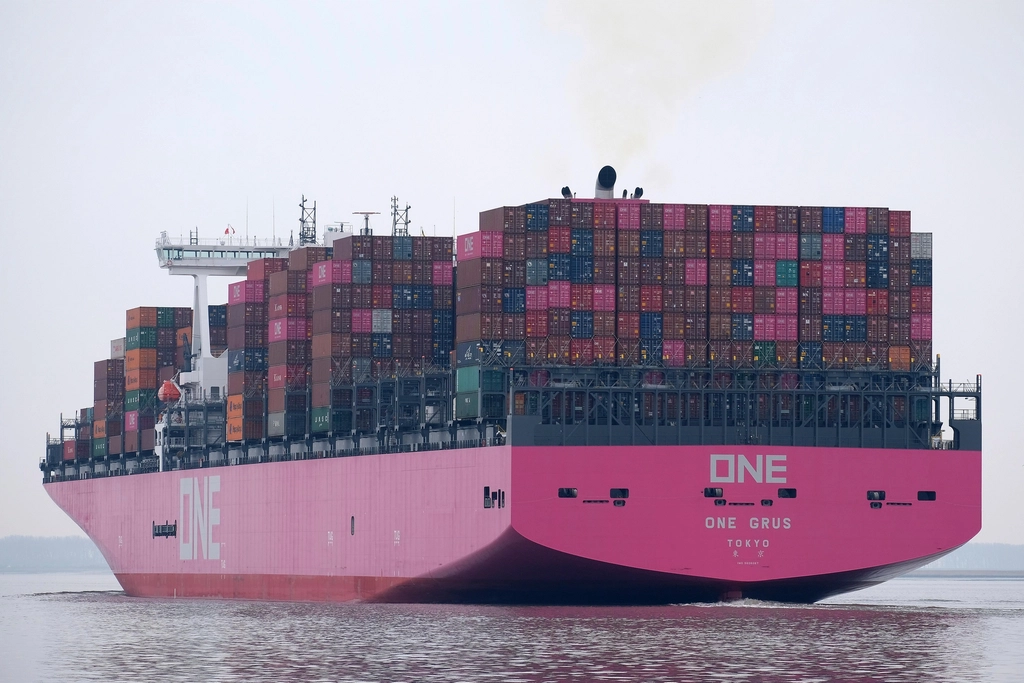
India’s advisory, as reported by Livemint, urges Indian nationals to exercise “utmost caution” before accepting jobs aboard vessels operating in or near the Black Sea, citing the “highly volatile situation” there. This is worth sitting with for a second. Indian seafarers make up a huge share of the global merchant marine workforce — the ships that move grain, oil, and containers around the planet are disproportionately staffed by Indian crews. When a government tells its own citizens to be careful about which cargo jobs they take, it’s a signal that the war’s danger zone has expanded well beyond trench lines and missile strikes into the realm of ordinary commercial shipping.
The Black Sea has been a flashpoint for exactly this reason since the war’s early months — grain corridors, drone strikes on port infrastructure, and disputed shipping lanes have made it one of the most contested maritime spaces on earth. An advisory like this one doesn’t happen because things are calm. It happens because insurers, shipping companies, and now governments are recalculating risk in real time, and the people who bear that risk most directly are often not soldiers but sailors, dockworkers, and merchant crews chasing a paycheck.
What Trump Actually Wants Out of This
It’s worth being honest about the incentives on the American side. Trump has made ending the war in Ukraine one of his signature foreign policy promises, and every month that passes without a deal is a month that promise looks harder to keep. A White House meeting with Zelenskyy lets him show visible motion — cameras, handshakes, a joint statement about renewed negotiations — even if the substantive gap between Kyiv and Moscow hasn’t narrowed much. That doesn’t mean the meeting is meaningless. Sustained high-level attention from Washington has, at various points in this war, been the thing that actually moves the needle, whether through weapons packages, sanctions pressure, or backchannel diplomacy. But it does mean readers should watch for outcomes, not just optics: Will there be a concrete framework proposed? Will Russia even be at any resulting table? Livemint’s report doesn’t specify Moscow’s posture heading into this, and that absence is itself telling — a negotiation “renewal” that only one side is publicly committing to is, at best, half a negotiation.
What to Watch Next
Two threads are worth following in the days ahead. The first is whether the Washington meeting produces anything beyond rhetoric — a ceasefire proposal, a prisoner exchange, a timeline, anything with teeth. The second, less glamorous but arguably more revealing, is what happens in the Black Sea in the weeks after India’s advisory. If shipping activity in the region visibly contracts, or if insurance premiums for vessels operating there spike, that will tell us more about the war’s real trajectory than any joint statement from the Oval Office. Wars end at negotiating tables, but they’re measured, in the meantime, by the ordinary people who quietly decide it’s no longer worth the risk to show up for work.









Leave a Reply